Maximizing Space: Clever Design Solutions for Small Homes
Living in a small home can present unique challenges, especially when it comes to maximizing space. With the right design solutions, however, you can create a functional and stylish environment that feels spacious and inviting. This blog post explores clever design strategies that can help you make the most of your small living space.
Understanding the Challenges of Small Spaces
Small homes often come with limitations that can make it difficult to arrange furniture, store belongings, and maintain a sense of openness. Common challenges include:
Limited square footage: Smaller homes naturally have less room for furniture and decor.
Storage issues: Finding adequate storage solutions can be a struggle.
Layout constraints: Oddly shaped rooms or awkward layouts can hinder effective design.
Recognizing these challenges is the first step toward finding effective solutions.
Embrace Multi-Functional Furniture
One of the best ways to maximize space in a small home is by investing in multi-functional furniture. These pieces serve more than one purpose, allowing you to save space while maintaining functionality. Here are some examples:
Sofa beds: Perfect for accommodating guests without needing a separate guest room.
Storage ottomans: These can serve as seating, footrests, or even coffee tables while providing hidden storage.
Foldable tables: Ideal for dining or working, these tables can be tucked away when not in use.
By choosing furniture that serves multiple functions, you can create a more versatile living space.
Optimize Vertical Space
When floor space is limited, look up! Optimizing vertical space can significantly enhance the functionality of your home. Consider these strategies:
Wall-mounted shelves: These can display books, plants, or decorative items without taking up floor space.
Tall bookcases: Utilize the height of your walls by installing tall bookcases that draw the eye upward.
Hanging storage: Use hooks or pegboards in the kitchen or entryway to hang pots, pans, or bags.
By making use of vertical space, you can keep your floors clear and create a more open atmosphere.
Create Zones with Area Rugs
In small homes, it can be beneficial to define different areas for various activities. Area rugs can help create distinct zones within a single room. For example:
Living area: A cozy rug can delineate the seating area, making it feel more inviting.
Dining area: A rug under the dining table can visually separate it from the rest of the space.
Workspace: A small rug can define a home office nook, even if it’s just a corner of the living room.
Using area rugs to create zones can enhance the functionality of your space while adding visual interest.
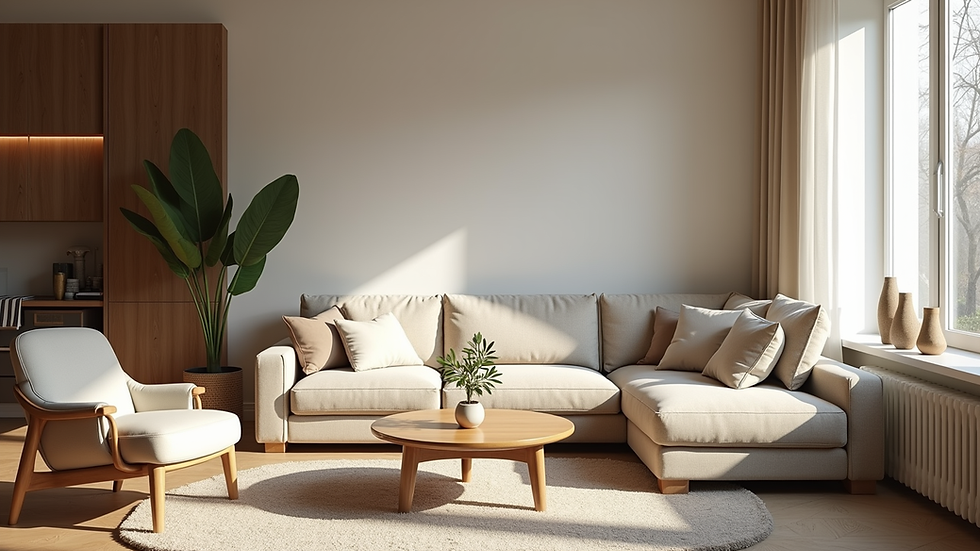
Choose Light Colors and Reflective Surfaces
Color plays a crucial role in how spacious a room feels. Light colors can make a small space appear larger and more open. Consider the following tips:
Paint walls in light shades: Soft whites, pastels, or light grays can create an airy feel.
Use mirrors: Strategically placing mirrors can reflect light and create the illusion of depth.
Opt for glossy finishes: Glossy surfaces can reflect light, making a room feel brighter and more spacious.
By choosing light colors and reflective surfaces, you can enhance the overall ambiance of your small home.
Maximize Natural Light
Natural light can make a small space feel more expansive. Here are some ways to maximize the light in your home:
Keep windows unobstructed: Avoid heavy drapes and opt for sheer curtains that allow light to filter through.
Use light-colored window treatments: Light fabrics can help reflect light rather than absorb it.
Strategically place mirrors: Position mirrors across from windows to bounce light around the room.
By maximizing natural light, you can create a warm and inviting atmosphere that feels more spacious.
Incorporate Built-In Storage Solutions
Built-in storage can be a game-changer for small homes. These solutions can help you utilize every inch of space effectively. Consider these options:
Built-in shelves: These can be installed in alcoves or under staircases to provide additional storage without taking up floor space.
Window seats with storage: A window seat can provide a cozy nook while offering hidden storage for blankets or books.
Under-bed storage: Utilize the space under your bed with drawers or bins to keep items out of sight.
Built-in storage solutions can help you keep your home organized and clutter-free.
Personalize with Smart Decor Choices
Decor can add personality to your small home while also serving functional purposes. Here are some ideas for smart decor choices:
Wall art: Use large pieces of art to create a focal point and draw the eye upward.
Plants: Incorporate greenery to bring life to your space without taking up much room.
Decorative storage: Use attractive baskets or boxes to store items while adding to the decor.
By personalizing your space with smart decor choices, you can create a home that reflects your style while remaining functional.
Use Space-Saving Techniques in the Kitchen
The kitchen is often one of the most challenging areas to design in a small home. Here are some space-saving techniques to consider:
Magnetic strips: Use magnetic strips to hold knives or metal utensils, freeing up counter space.
Pull-out shelves: Install pull-out shelves in cabinets to make accessing items easier.
Over-the-sink cutting boards: These can provide extra prep space without taking up valuable counter space.
Implementing space-saving techniques in the kitchen can enhance functionality and make cooking more enjoyable.
Design for Flexibility
In a small home, flexibility is key. Design your space to adapt to different needs and activities. Here are some ideas:
Mobile furniture: Use furniture on wheels that can be easily moved to create more space when needed.
Convertible pieces: Look for furniture that can change shape or function, such as a coffee table that can expand into a dining table.
Temporary partitions: Use curtains or folding screens to create temporary divisions for privacy or to separate activities.
Designing for flexibility allows you to make the most of your space, no matter the occasion.
Conclusion
Maximizing space in a small home requires creativity and thoughtful design choices. By embracing multi-functional furniture, optimizing vertical space, and incorporating smart storage solutions, you can create a functional and stylish environment. Remember to personalize your space with decor that reflects your style while maintaining a sense of openness. With these clever design solutions, your small home can feel spacious and inviting.
Take the first step today by assessing your space and considering which of these strategies can work for you. Your small home can be transformed into a haven of comfort and style.


Comments